White Collar Miao’s Symbols and Cosmoperception
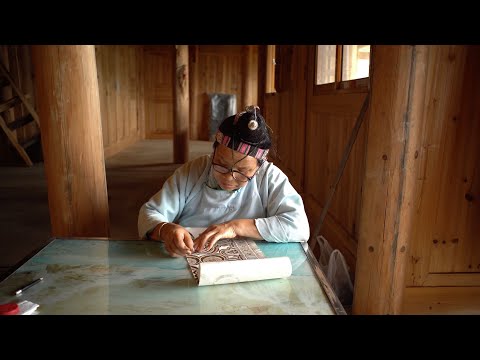
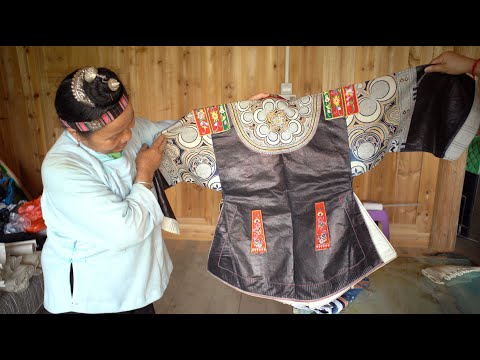
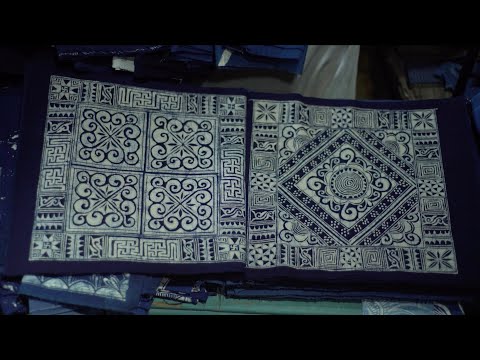
In Madam Zhang’s batik workshop, one room shows a framed batik of patterns on the festive attire
In Madam Zhang’s batik workshop, one room shows a framed batik of patterns on the festive attire
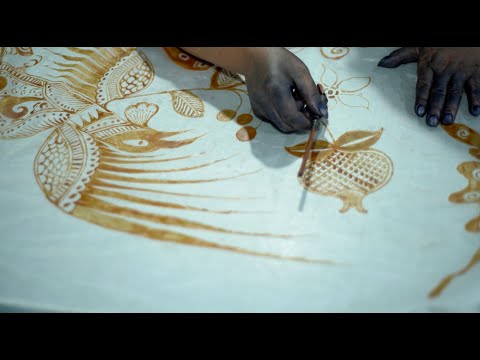
Unlike the usual process, this piece has not yet been dyed or had the wax removed. Also it is drawn not as separate sleeves and a collar, but all on one piece of fabric.
She explained that the spirals symbolize the whorls of buffalo hair, while the horns appear clearly in the patterns. For the White Collar Miao, the buffalo is essential: it is needed for farming, and when a person dies, a buffalo must be sacrificed as part of the funeral ritual. Even the position of a buffalo’s hair whorl matters—if it grows on the neck or buttocks, the animal cannot be used for sacrifice, as this is believed to bring misfortune to the family.
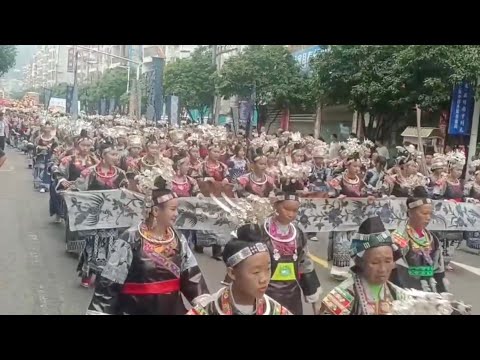
Another important motif is the “life-saving plant,” referring to wild plants that once kept their ancestors alive when they had no food during migration. The White Collar Miao are descendants of Miao groups who moved south over centuries, often fleeing war and hardship. This motif appears not only on festive clothing but also on daily items such as women’s headbands. Two silver ornaments with this design are often sewn at the temples of the headband, reminding people of the plants that once saved their ancestors’ lives.