A Gathering to Remember, Eat, Reflect, and Build Alternative Futures for Guasca
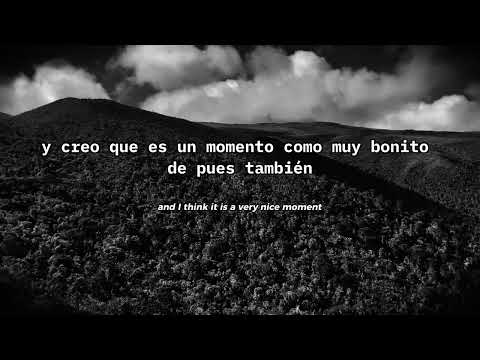
In the mountains of Guasca, where the páramo breathes as a hydrological archive, a reserve of memory, and the expanded body of the mountain range, an encounter takes place that is far more than a community meeting: it is an act of resonance, a practice of listening, and a collective reappropriation of the landscape as a political space
In the mountains of Guasca, where the páramo breathes as a hydrological archive, a reserve of memory, and the expanded body of the mountain range, an encounter takes place that is far more than a community meeting: it is an act of resonance, a practice of listening, and a collective reappropriation of the landscape as a political space
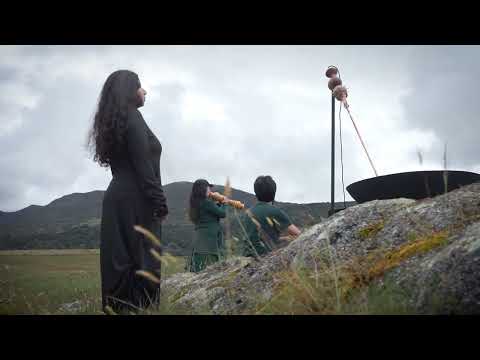
Within the framework of Páramo Sonoro, a project that seeks to bring together soundscape practice, ecological contemplation, and social action in the páramos of Chingaza and Sumapaz, more than thirty people- páramo inhabitants, peasants, young people, students, artists, professionals, and citizens from Bogotá- come together for an experience rooted at the intersection of food, memory, speech, and territory.
While an Andean ajiaco simmers slowly over the fire, a circle of shared words is woven together at the same time to reflect on water, life, and the many tensions running through the region. Cooking becomes a form of thought; sharing food, an embodied epistemology.
The conversation makes a structural truth visible: caring for water can no longer be reduced to an abstract environmental discourse, but must be embraced as an everyday practice, a political responsibility, and a civilizational principle. To think about water means reexamining our modes of consumption, questioning the productive chains that sustain food systems, recognizing the agricultural ecosystems that make life possible, and confronting the extractivist logics that threaten these territories.
Within this cartography there also emerges the silent violence of industries and multinational corporations that extract water resources without social reciprocity, without ecological restoration, without community infrastructure, and without ethical responsibility. An economy of dispossession is perpetuated, in which the territory is conceived as an exploitable reserve, while the communities that have historically sustained ecological balance remain exposed to profoundly asymmetrical power relations.
The caretakers of the páramo are thus guardians of life, yet at the same time they are subject to political, economic, and territorial pressures that seek to silence them. As Silvia Rivera Cusicanqui would point out, these dynamics are not simply contemporary, but persistent expressions of the coloniality of power, in which bodies, territories, and local knowledges continue to be subordinated to global extractive structures. Yet through her thought we can also recognize that within these fissures forms of resistance persist: spaces where contradiction, memory, and transformative potential coexist.
Because in the midst of conflict, remains hope.
Encuentro Para Recordar, Comer, Pensar Y Construir Futuros Alternativos Para Guasca
En las montañas de Guasca, donde el páramo respira como archivo hídrico, reserva de memoria y cuerpo expandido de la cordillera, tiene lugar un encuentro que es mucho más que una reunión comunitaria: es una acción de resonancia, una práctica de escucha y una reapropiación colectiva del paisaje como espacio político.
En el marco de Páramo Sonoro, proyecto que busca articular paisajismo sonoro, contemplación ecológica y acción social en los páramos de Chingaza y Sumapaz, más de treinta personas —habitantes del páramo, campesinos, jóvenes, estudiantes, artistas, profesionales y ciudadanos de Bogotá— se encuentran para una experiencia situada en la intersección entre la comida, memoria, palabra y territorio.
Mientras el fuego lento cocina un ajiaco andino, se teje simultáneamente una mesa de palabra para pensar en el agua, la vida y las múltiples tensiones que atraviesan la región. Cocinar se convierte en una forma de pensamiento; compartir el alimento, en una epistemología encarnada.
La conversación permite visibilizar una verdad estructural: el cuidado del agua no puede seguir siendo reducido a discurso ambiental abstracto, sino que debe asumirse como práctica cotidiana, responsabilidad política y principio civilizatorio. Pensar el agua implica revisar nuestros modos de consumo, cuestionar las cadenas productivas que sostienen la alimentación, reconocer los ecosistemas agrícolas que hacen posible la vida y confrontar las lógicas extractivistas que amenazan los territorios.
En esta cartografía emerge también la violencia silenciosa de industrias y multinacionales que extraen recursos hídricos sin reciprocidad social, sin restauración ecológica, sin infraestructuras comunitarias, sin responsabilidad ética. Se perpetúa una economía de despojo donde el territorio es concebido como reserva explotable, mientras las comunidades que históricamente han sostenido el equilibrio ecológico permanecen expuestas a relaciones profundamente asimétricas de poder.
Los cuidadores del páramo son entonces custodios de la vida, pero simultáneamente sujetos a presiones políticas, económicas y territoriales que buscan silenciarles. Como señalaría Silvia Rivera Cusicanqui, estas dinámicas no son simplemente contemporáneas, sino expresiones persistentes de la colonialidad del poder, donde los cuerpos, territorios y saberes locales continúan subordinados frente a estructuras extractivas globales. Sin embargo, también desde su pensamiento podemos reconocer que en estas fisuras persisten formas de resistencia: espacios donde coexisten contradicción, memoria y potencia transformadora.
Porque en medio del conflicto, permanece la esperanza.